Uganda, long celebrated as the “Pearl of Africa,” is emerging as a global leader in sustainable tourism. For travel agents in Australia looking to promote Africa beyond the traditional safari circuit, Uganda offers a compelling story of conservation, community, and authentic experience.
From trekking with endangered mountain gorillas to engaging with cultural communities, the country has developed a model where tourism not only protects the environment but also transforms lives.
Balancing conservation and tourism
At the centre of Uganda’s tourism sustainability strategy is the Uganda Wildlife Authority (UWA). Working hand in hand with the Ministry of Tourism, UWA oversees the management of 10 national parks, 12 wildlife reserves, and a network of community wildlife areas. Its mission is twofold: safeguard Uganda’s extraordinary biodiversity and ensure that the benefits of tourism flow directly to local communities.
This collaborative approach means that every permit sold, every entry fee paid, and every visitor welcomed contributes to the protection of wildlife and the livelihoods of Ugandans. A portion of park revenues is reinvested in community projects such as schools, healthcare, and water infrastructure, which helps reduce human–wildlife conflict and builds local support for conservation.
Gorilla trekking: a flagship of responsible travel

Uganda’s gorilla trekking in Bwindi Impenetrable National Park has become one of the world’s most iconic wildlife experiences. Yet, it is also a textbook example of how tourism can be managed responsibly. Daily permits are strictly limited to protect the gorillas’ health and habitats, and visitors are guided by trained rangers who ensure strict adherence to rules that minimise impact.
At Bwindi Impenetrable National Park, visitors who embark on the unforgettable mountain gorilla trekking experience are each awarded a certificate upon completion of the journey — a token recognizing their remarkable adventure in one of the world’s most treasured rainforests.
For travel agents, this is an opportunity to market gorilla trekking not only as a once-in-a-lifetime adventure but as a sustainable travel experience. Clients can be reassured that their visit directly funds conservation efforts and community initiatives, making their journey part of a bigger story.
Chimpanzee trekking in Kibale Forest

Uganda’s sustainability story goes beyond gorillas. Kibale Forest National Park, often referred to as the primate capital of East Africa, is home to 13 species of primates, including the highly endangered chimpanzee. Trekking to observe chimpanzee troops in their natural habitat is another carefully managed activity, with limited permits ensuring minimal disturbance.
Like gorilla trekking, chimpanzee tourism is structured to provide revenue for conservation while creating employment for local guides, trackers, and hospitality providers. For Australian travel agents, promoting chimpanzee trekking is a way to broaden client itineraries, appealing to those seeking a deeper immersion in Uganda’s wildlife heritage.
Safaris with a difference

Uganda’s national parks offer a safari experience with a twist. While the Big Five can be seen across Queen Elizabeth National Park, Murchison Falls, and Kidepo Valley, the experience here is less about mass tourism and more about intimate encounters in unspoilt settings.
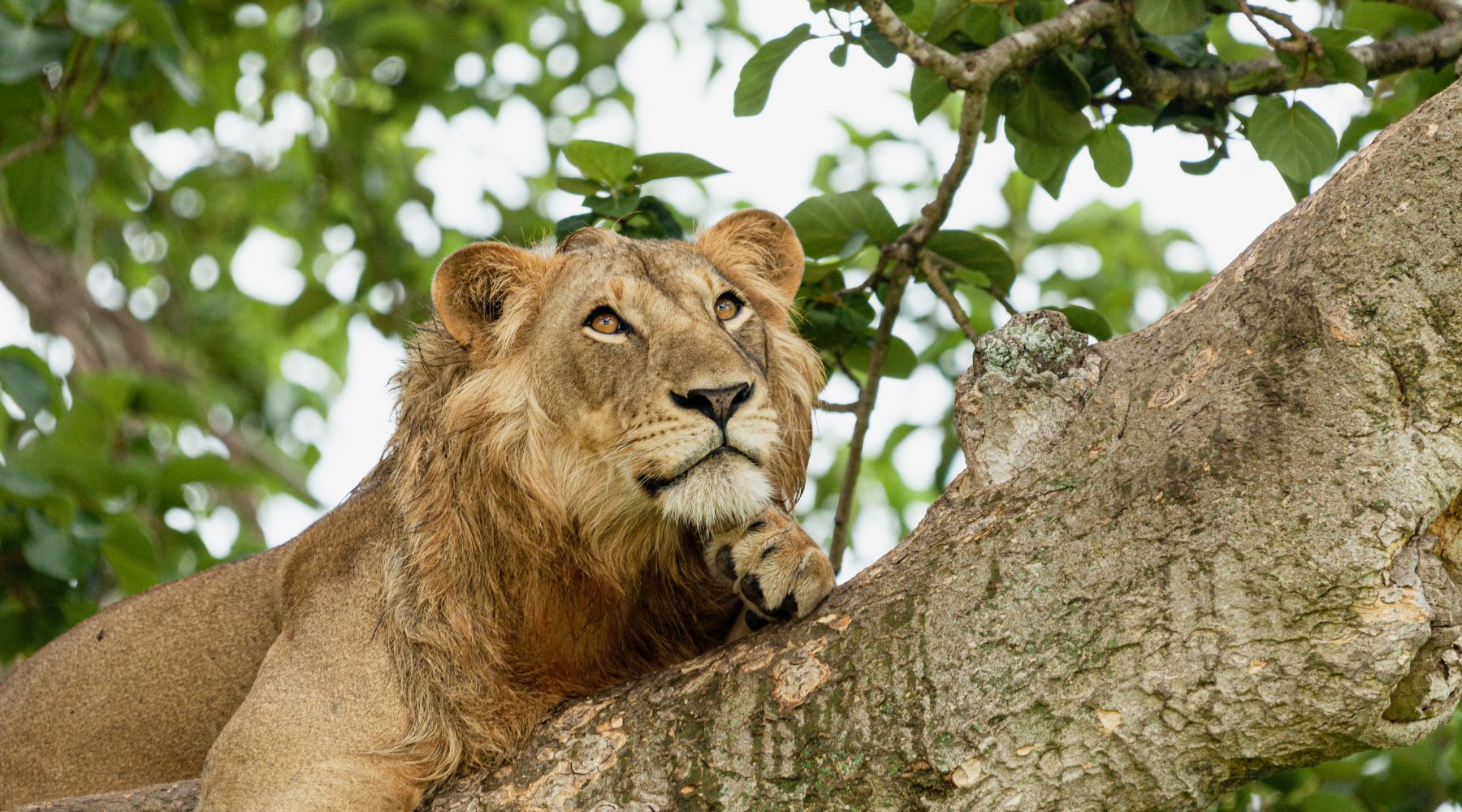
Tree-climbing lions in the Ishasha sector of Queen Elizabeth National Park, elephants wandering across the savannah, or the spectacle of the Nile River plunging dramatically at Murchison Falls showcase Uganda’s diversity. UWA’s careful management ensures that tourism numbers remain balanced, wildlife corridors are protected, and visitor impact is reduced.
For the trade, the key selling point is exclusivity. Safaris in Uganda are immersive but without the crowded feel of other African destinations, giving Australian travellers the sense of being true explorers while still contributing to sustainable tourism practices.
Culture at the heart of sustainability

Sustainability in Uganda is not only about wildlife but also about people. Community-based tourism is thriving, with cultural experiences woven into the fabric of travel itineraries. In the Bwindi region, visitors can engage with the Batwa people, one of the oldest surviving indigenous communities in Central Africa.
Through cultural villages and storytelling, the Batwa share their traditions, music, and knowledge of the forest, offering travellers a deeper understanding of their way of life. These experiences are designed to empower communities, with income from tourism supporting education and healthcare.
In addition, the Uganda High Commission continues to promote Christian tourism, particularly at the Namugongo Basilica, a revered site confirmed by the late Pope Benedict XVI. The Uganda Martyrs hold a profound place in history, tracing back to the Buganda Kingdom, where their faith and sacrifice became a cornerstone of Uganda’s Christian heritage.
Another remarkable cultural site is the Kasubi Tombs, one of UNESCO’s World Heritage Sites, and a key destination for visitors seeking to experience Uganda’s deep-rooted traditions. The tombs serve as the burial grounds for the kings of the Buganda Kingdom and are renowned for their unique architecture—constructed entirely from organic materials and exquisitely finished, making them truly worthy of a visit.
For Australian agents, this offers a strong angle to highlight: Uganda is not just a wildlife destination but a country where travellers can connect with living cultures in meaningful, respectful ways.
UWA and Tourism: a united front
The partnership between UWA and Uganda’s Ministry of Tourism provides a strong framework for sustainable growth. Together, they have developed policies that put conservation and community first, from regulating trekking permits to expanding eco-tourism infrastructure. Investments in ranger training, anti-poaching patrols, and habitat restoration are complemented by tourism campaigns that position Uganda as a responsible destination.
For the Australian market, this partnership provides reassurance that Uganda is a safe, ethical choice for clients who want their travels to have a positive impact.
Eco-lodges and low-impact stays
Supporting Uganda’s sustainability agenda are a growing number of eco-lodges and lodges operating under strict environmental guidelines. Many are located near gorilla and chimpanzee trekking areas or within national parks, offering travellers luxury with a conscience. Solar power, rainwater harvesting, and locally sourced materials are standard, while lodge operators often run community projects from conservation education to healthcare clinics.
For agents, these properties provide excellent talking points for sustainability-minded clients who are increasingly asking where their money goes and what impact their stay will have.
Opportunities for the Australian trade
Uganda is still a relatively niche destination for Australian travellers, which presents a unique opportunity for the trade. By emphasising its sustainability credentials, agents can position Uganda as a destination that aligns with the growing demand for responsible travel.
Australians are seeking experiences that go beyond ticking off landmarks. They want to feel that their travel has purpose, whether that’s tracking gorillas in a rainforest, meeting local communities, or witnessing conservation in action. Uganda delivers all of this, backed by a government and wildlife authority committed to a long-term vision.
Looking ahead
Uganda’s approach to sustainable tourism is not just about protecting what exists today, but about securing the future of its people and wildlife. By integrating conservation with community development and ensuring that tourism revenue is shared, the country offers a model for others to follow.
For Australian travel agents, the message is clear: selling Uganda means selling more than just a destination. It means offering clients the chance to be part of a powerful story of sustainability, conservation, and cultural connection.